Pentagon Betting Ban: New Memo Targets Military Use of Prediction Markets
Defense Secretary Pete Hegseth has directed military leaders to restrict personnel from wagering on defense outcomes to prevent enemies from tracking US strategic moves.
By Amy Swan ·
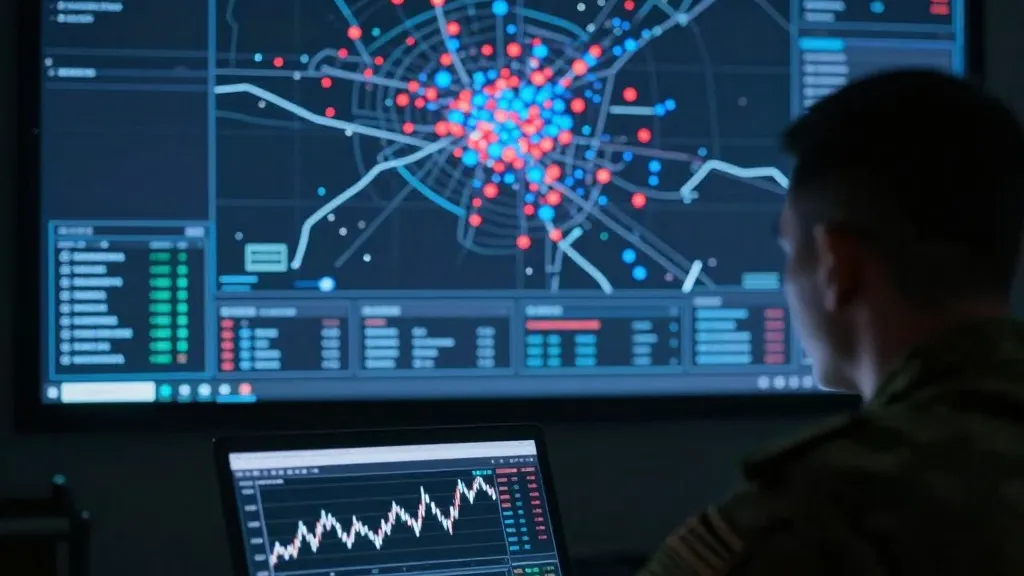
For service members and civilian employees of the Department of Defense, the rules regarding personal finance have just become significantly stricter. A new directive issued by the top brass in the Pentagon explicitly warns against using any nonpublic information to place wagers on prediction platforms. The core concern is that these bets create visible financial signals that hostile nations could monitor to predict American military actions, potentially putting troops at risk.
The warning was outlined in a memo dated October 20, which was distributed to senior Pentagon leadership, Combatant Command leaders, and directors of various Defense Department field activities. The subject line of the document, as reported by CBS News, was blunt: “Do Not Compromise Military Operations for Personal Financial Gain.” The memo was released to the public yesterday, marking a formal step by the administration to address the intersection of military intelligence and the growing world of prediction markets.
Defense Secretary Pete Hegseth argued that the financial footprint of a single bet can be a major security leak. In the memo, he stated that enemies are actively watching for movements in these markets. When a service member, intelligence professional, or civilian makes a transaction based on a military outcome, they generate a signal. Hegseth explained that hostile foreign intelligence services can aggregate and correlate these signals to anticipate US movements, specific targets, and timing.
The stakes, according to Hegseth, are life and death. He wrote that the lives of service members often depend on the enemy not knowing what is coming next. The secretary emphasized that the men and women serving in the military deserve a force that protects them, rather than one that exposes them to potential danger for the sake of personal financial gain. This perspective frames the ban not just as a financial rule, but as a tactical necessity for operational security.
The directive applies broadly to “all financial platforms,” including traditional betting services and newer prediction markets such as Polymarket and Kalshi. The memo clarifies that the prohibition covers any financial transaction informed by nonpublic information. It does not matter if that information is classified or merely unclassified; if it is not public knowledge, using it to make a bet violates the new guidelines.
This move follows a series of high-profile incidents that highlighted the vulnerabilities in the current system. In April, a US Army soldier was arrested and charged with using confidential information to place bets on Polymarket. The soldier wagered on the timing of the military’s capture of Venezuelan President Nicolás Maduro, resulting in a profit of $410,000.
The issue has also drawn attention from independent researchers. An August report by the Anti-Corruption Data Collective identified 152 suspicious wallets that had placed longshot bets on military and defense markets. The group found that these accounts won a combined $8 million, suggesting a pattern of insider trading or informed speculation that could be exploited by outside actors.
While the memo provides clear guidance on what is prohibited, it leaves some questions open for those navigating the new rules. The emphasis on nonpublic information means that personnel must be vigilant about what they know before they click “buy” or “sell.” The directive aims to close the gap between personal investment strategies and national security interests, ensuring that the financial gains of individuals do not come at the cost of operational surprise.
Source: Ars Technica